Pilea peperomioides | Chinese Money Plant
Pilea peperomioides is a compact houseplant grown for its distinctive round, peltate leaves and upright growth habit. In many Asian cultures, it is said to bring good fortune and luck to homes.
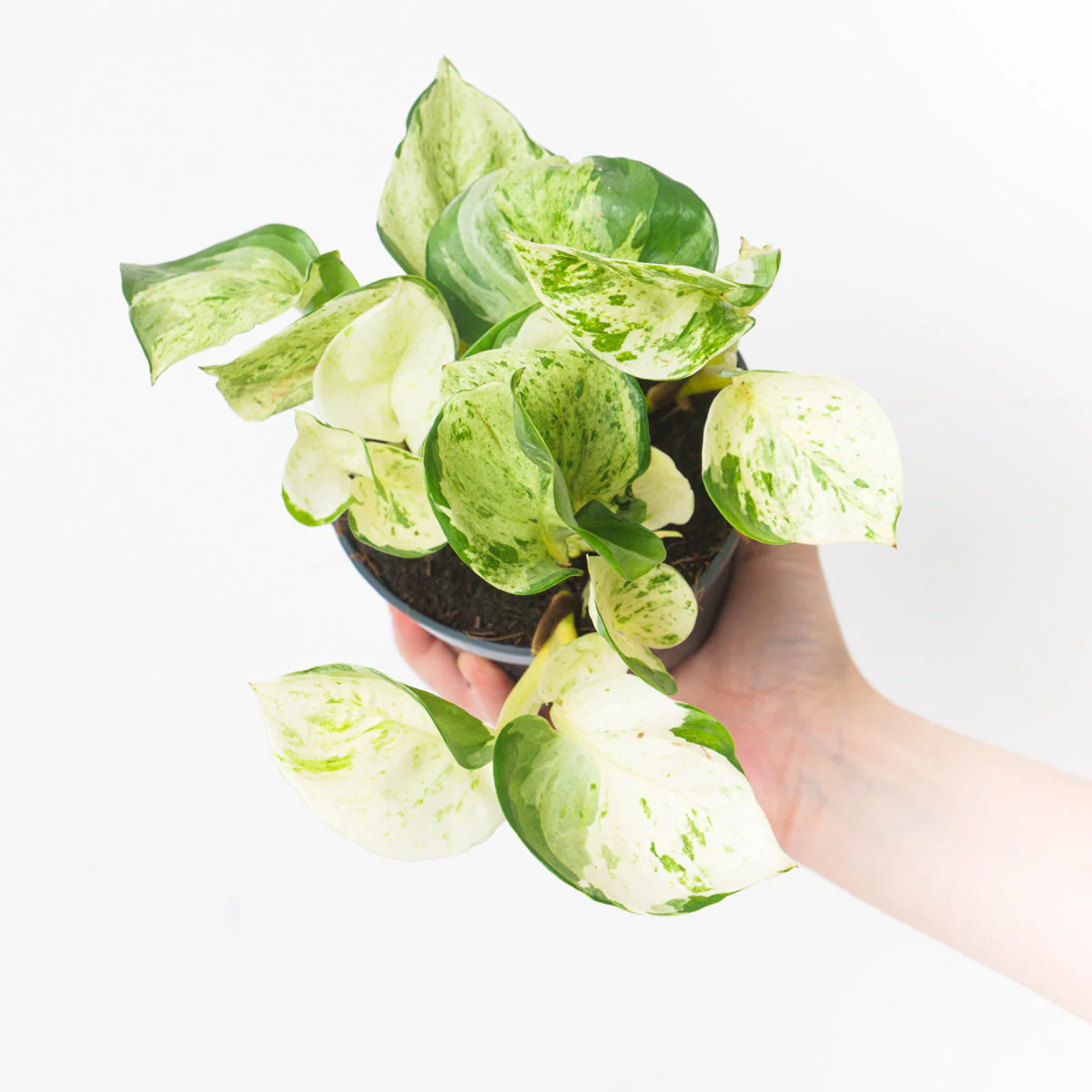
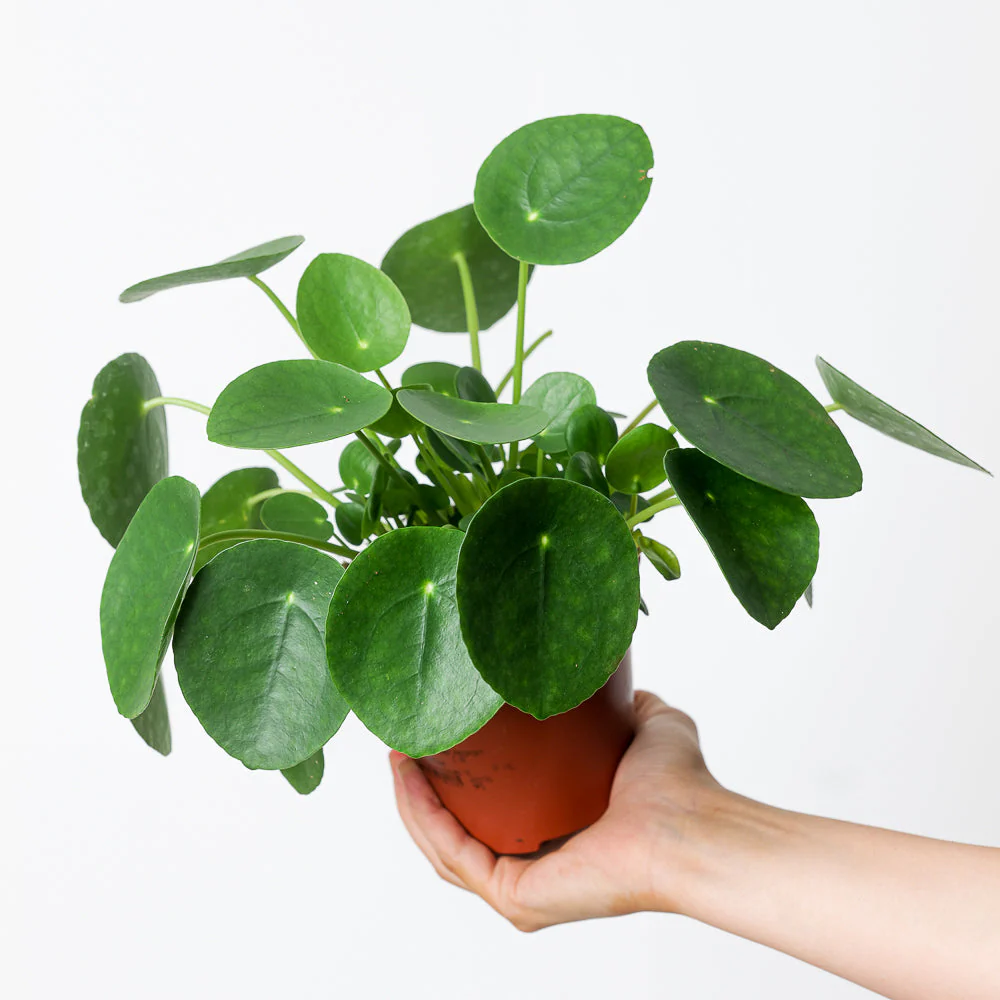
Commonly known as the Chinese Money Plant, it produces smooth, coin-shaped leaves held on long petioles that emerge a lighter, fresh green before deepening in colour as they mature. New growth arises from a central stem, creating a symmetrical, architectural form.
Over time, Pilea peperomioides develops a thickened central stem and produces offsets from the base or directly from the roots, allowing it to form small colonies in the pot. This is where the plant also coins the term 'Friendship Plant' Mature plants typically reach 20–40 cm in height and width indoors, making it perfect for growing indoors where space may be limited.
Native to:
South-western China, particularly Yunnan Province, where it grows at elevations of approximately 1,500–3,000 metres in shaded forest understories and rocky slopes. In its natural habitat it experiences bright, diffused light and well-draining soils.
Water:
Water when the top 1/3 of the potting mix has dried out. The compost should remain lightly moist but never waterlogged. Reduce watering slightly during the darker winter months in the UK when growth slows. Ensure excess water drains freely, as prolonged saturation can lead to root rot.
Light:
Bright, filtered light is ideal. It tolerates gentle morning or late afternoon sun, but strong direct midday sunlight can scorch the leaves and cause fading or crisping. Too little light may result in elongated stems and smaller leaves. Rotate the pot regularly to maintain even, upright growth.
Humidity:
Average household humidity (40–60%) is sufficient. It tolerates typical UK indoor conditions well, though avoiding very dry air from radiators will help prevent leaf edge stress.
Temperature:
Best grown between 16–24°C. It prefers stable indoor temperatures and should be kept away from cold draughts and sudden temperature drops. Avoid exposing the plant to temperatures below 10°C.
Original: $6.69
-70%$6.69
$2.01Product Information
Product Information
Shipping & Returns
Shipping & Returns
Description
Pilea peperomioides is a compact houseplant grown for its distinctive round, peltate leaves and upright growth habit. In many Asian cultures, it is said to bring good fortune and luck to homes.
Commonly known as the Chinese Money Plant, it produces smooth, coin-shaped leaves held on long petioles that emerge a lighter, fresh green before deepening in colour as they mature. New growth arises from a central stem, creating a symmetrical, architectural form.
Over time, Pilea peperomioides develops a thickened central stem and produces offsets from the base or directly from the roots, allowing it to form small colonies in the pot. This is where the plant also coins the term 'Friendship Plant' Mature plants typically reach 20–40 cm in height and width indoors, making it perfect for growing indoors where space may be limited.
Native to:
South-western China, particularly Yunnan Province, where it grows at elevations of approximately 1,500–3,000 metres in shaded forest understories and rocky slopes. In its natural habitat it experiences bright, diffused light and well-draining soils.
Water:
Water when the top 1/3 of the potting mix has dried out. The compost should remain lightly moist but never waterlogged. Reduce watering slightly during the darker winter months in the UK when growth slows. Ensure excess water drains freely, as prolonged saturation can lead to root rot.
Light:
Bright, filtered light is ideal. It tolerates gentle morning or late afternoon sun, but strong direct midday sunlight can scorch the leaves and cause fading or crisping. Too little light may result in elongated stems and smaller leaves. Rotate the pot regularly to maintain even, upright growth.
Humidity:
Average household humidity (40–60%) is sufficient. It tolerates typical UK indoor conditions well, though avoiding very dry air from radiators will help prevent leaf edge stress.
Temperature:
Best grown between 16–24°C. It prefers stable indoor temperatures and should be kept away from cold draughts and sudden temperature drops. Avoid exposing the plant to temperatures below 10°C.