Pilea mollis 'Moon Valley' | Friendship Plant
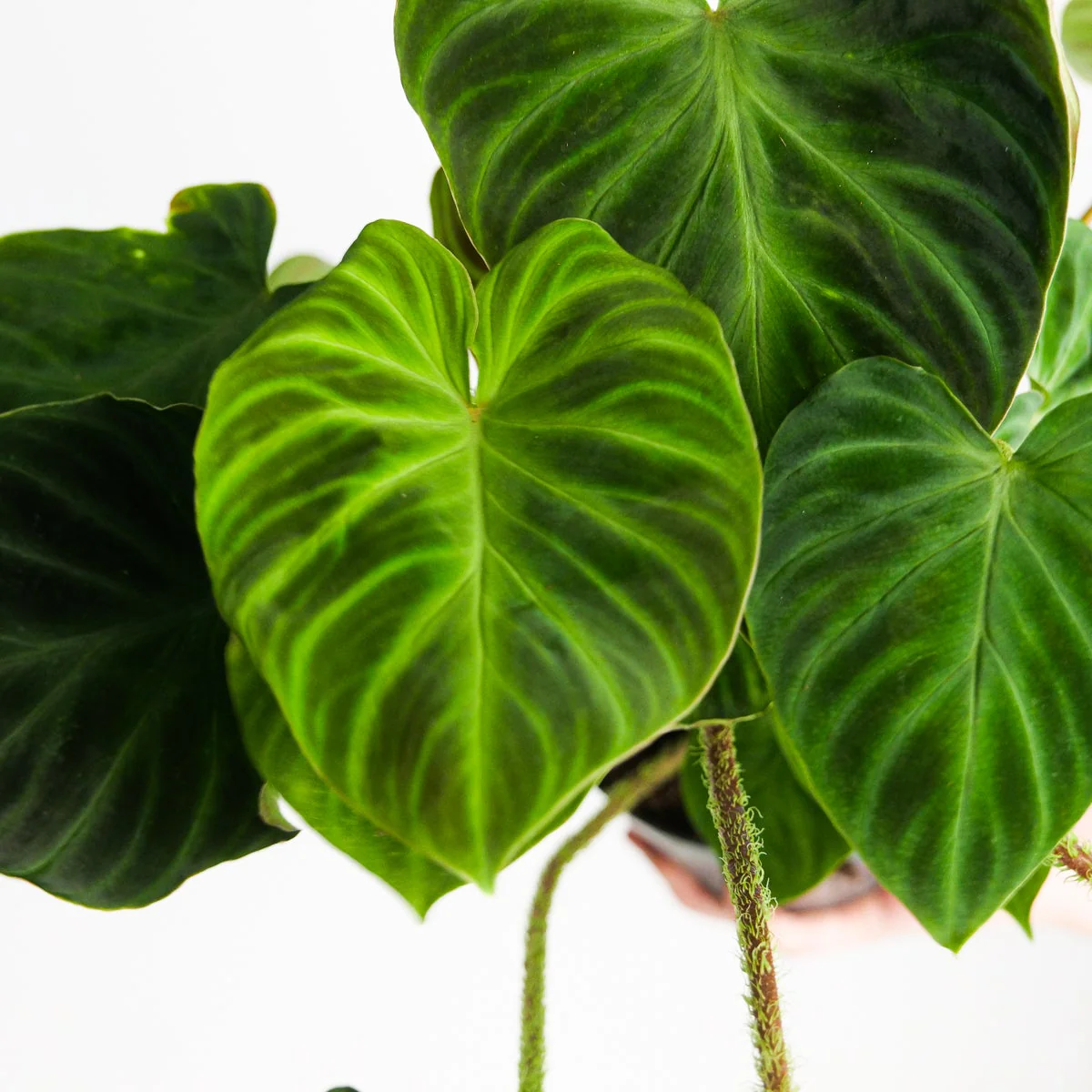
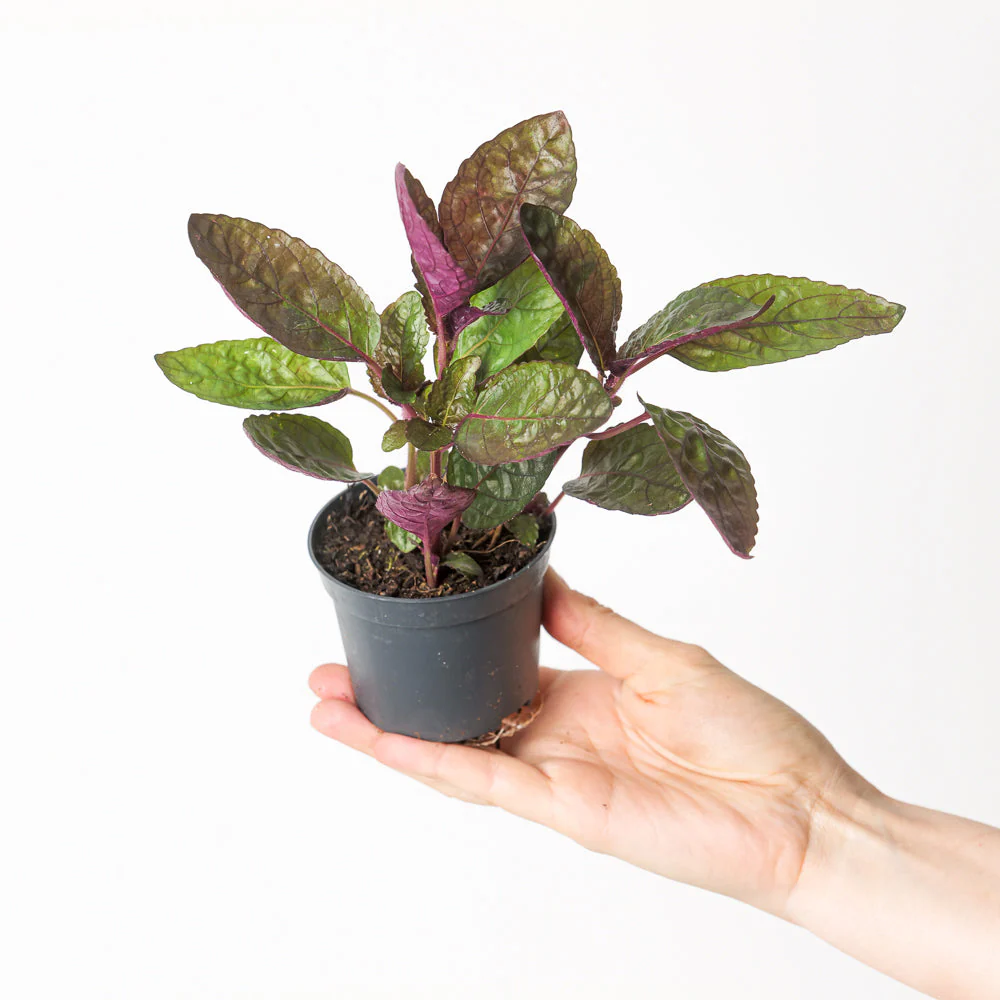
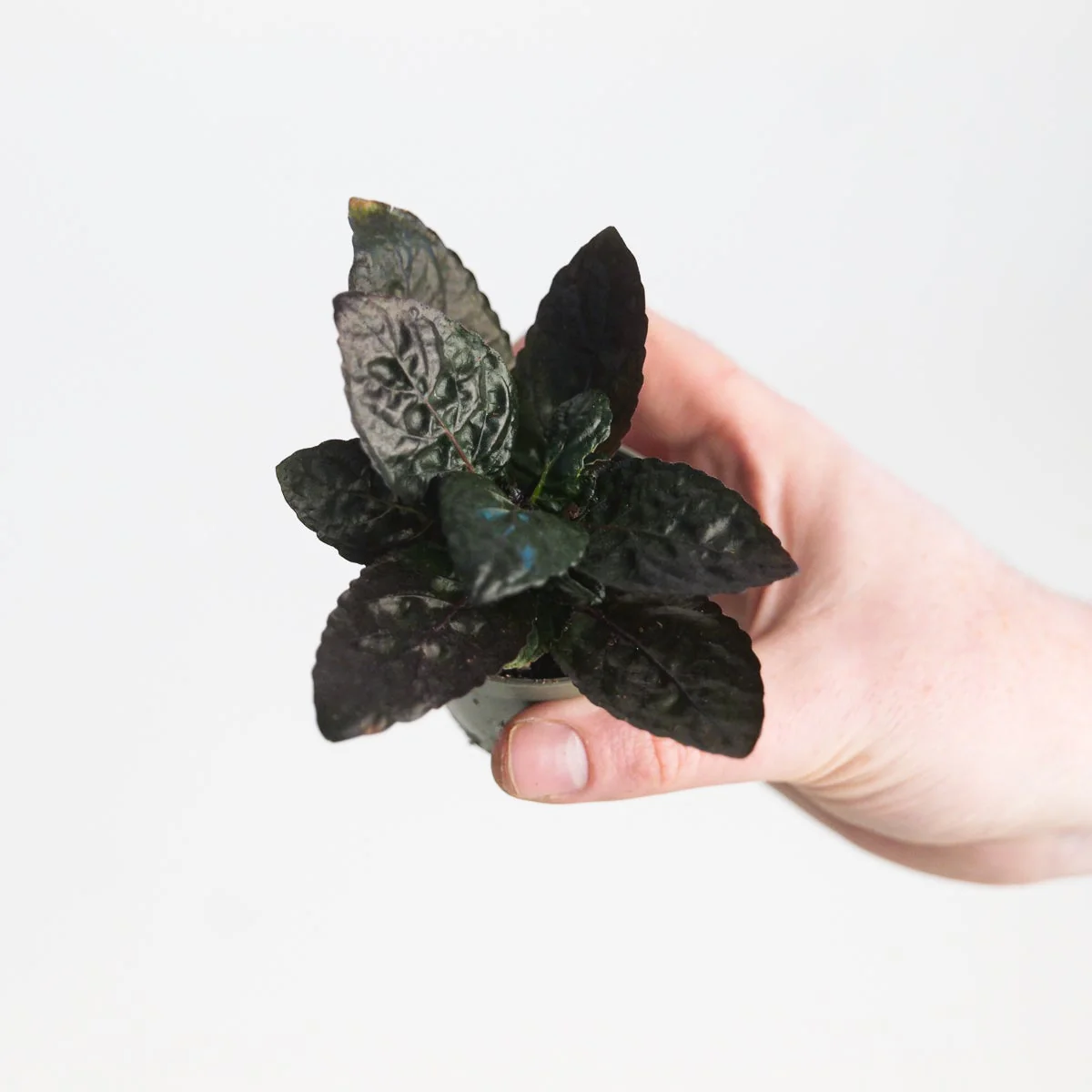
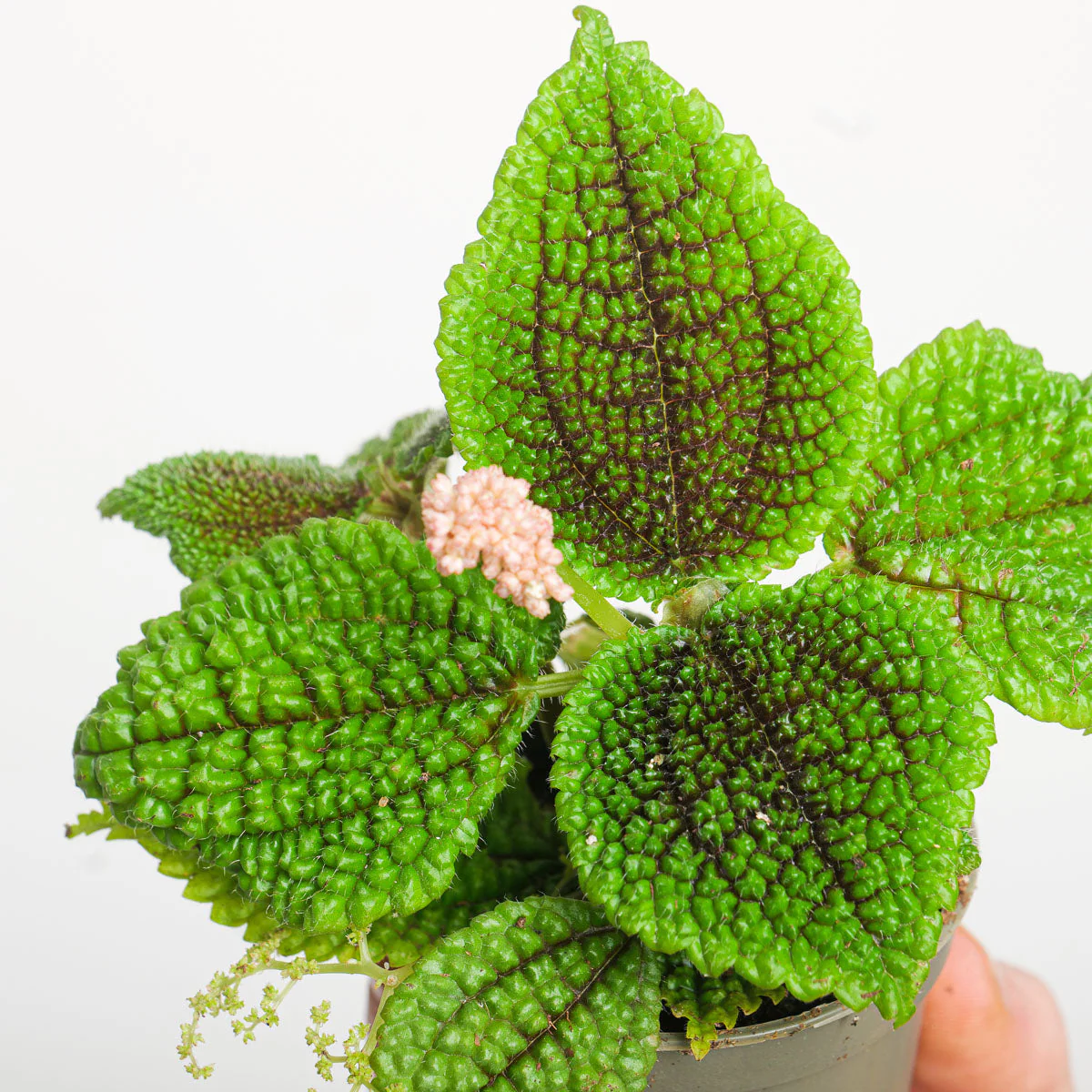
Pilea ‘Moon Valley’ boasts leaves that resemble the surface of the moon, with intricate valleys and craters etched into their velvety surface. It is a compact, tropical foliage plant grown for its deeply textured leaves and contrasting veining. Botanically derived from Pilea involucrata, this cultivar is characterised by its quilted, cratered leaf surface and pronounced dark bronze to reddish veins set against bright green foliage.
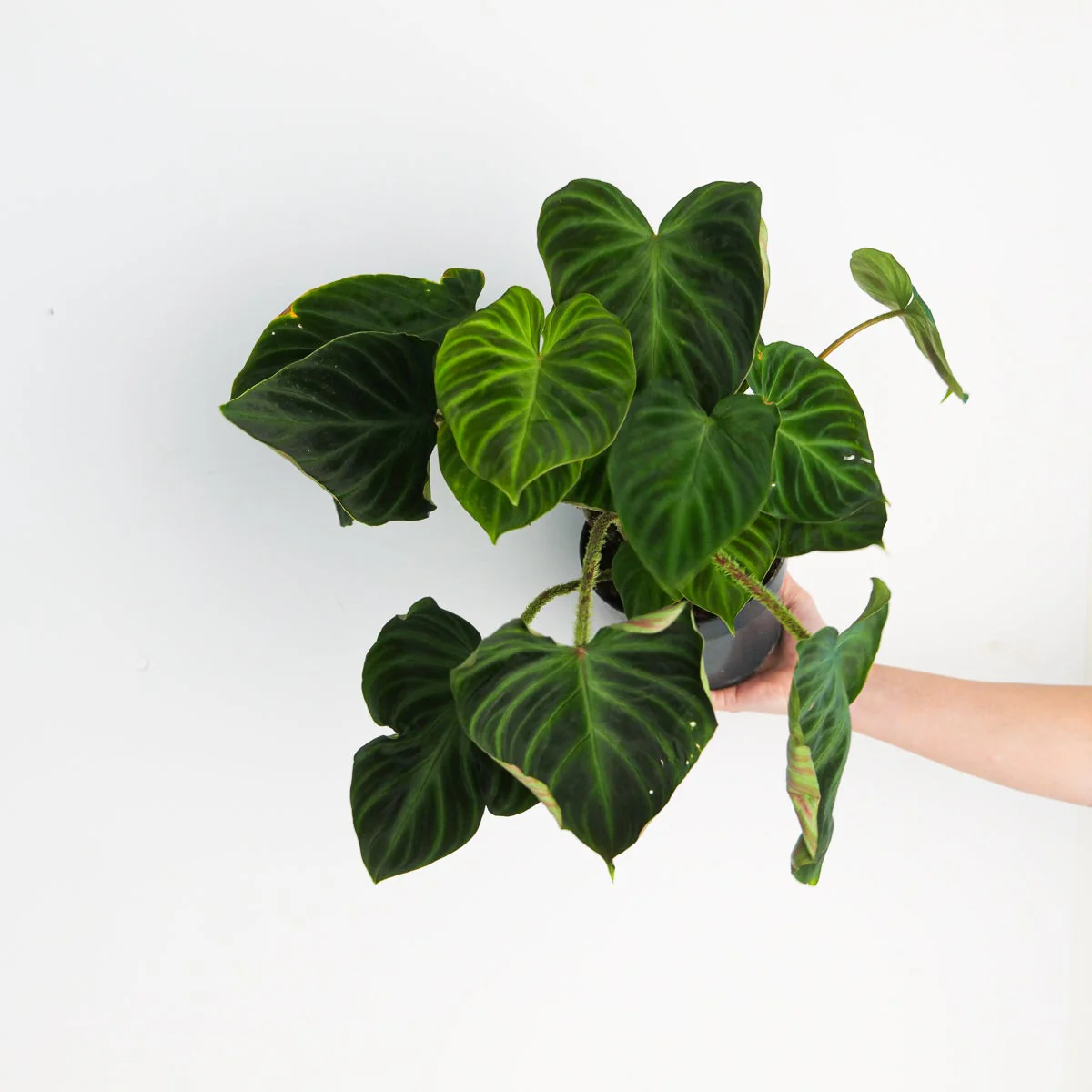
This species has a naturally bushy, mounding growth habit and typically remains compact, making it perfect for growing indoors in smaller spaces. New leaves often emerge a lighter, fresher green before deepening in colour as they mature. With the right balance of warmth, light and humidity, it maintains steady growth throughout the year.
Native to: Central and South America, particularly Panama and Colombia, where it grows as a low-growing understory plant in warm, humid rainforest conditions.
Water: Keep the compost evenly moist but not waterlogged. Allow the top 1/3 of the pot to dry slightly between waterings. Reduce watering in winter when growth slows, but avoid letting the plant dry out completely. Good drainage is essential to prevent root rot.
Light: Bright, filtered light is ideal. It tolerates moderate indirect light, but growth may become slower and less compact. Avoid direct sunlight, especially midday sun, as this can scorch and fade the textured leaves.
Humidity: Prefers moderate to high humidity, ideally above 60%. It benefits from placement near other plants or in naturally humid rooms. Dry air can cause leaf edges to crisp or curl.
Temperature: Best grown between 18–24°C. Avoid temperatures below 15°C and protect from cold draughts, as sudden drops can cause leaf damage and stress.
Original: $5.35
-70%$5.35
$1.60Product Information
Product Information
Shipping & Returns
Shipping & Returns
Description
Pilea ‘Moon Valley’ boasts leaves that resemble the surface of the moon, with intricate valleys and craters etched into their velvety surface. It is a compact, tropical foliage plant grown for its deeply textured leaves and contrasting veining. Botanically derived from Pilea involucrata, this cultivar is characterised by its quilted, cratered leaf surface and pronounced dark bronze to reddish veins set against bright green foliage.
This species has a naturally bushy, mounding growth habit and typically remains compact, making it perfect for growing indoors in smaller spaces. New leaves often emerge a lighter, fresher green before deepening in colour as they mature. With the right balance of warmth, light and humidity, it maintains steady growth throughout the year.
Native to: Central and South America, particularly Panama and Colombia, where it grows as a low-growing understory plant in warm, humid rainforest conditions.
Water: Keep the compost evenly moist but not waterlogged. Allow the top 1/3 of the pot to dry slightly between waterings. Reduce watering in winter when growth slows, but avoid letting the plant dry out completely. Good drainage is essential to prevent root rot.
Light: Bright, filtered light is ideal. It tolerates moderate indirect light, but growth may become slower and less compact. Avoid direct sunlight, especially midday sun, as this can scorch and fade the textured leaves.
Humidity: Prefers moderate to high humidity, ideally above 60%. It benefits from placement near other plants or in naturally humid rooms. Dry air can cause leaf edges to crisp or curl.
Temperature: Best grown between 18–24°C. Avoid temperatures below 15°C and protect from cold draughts, as sudden drops can cause leaf damage and stress.