Dischidia pectenoides
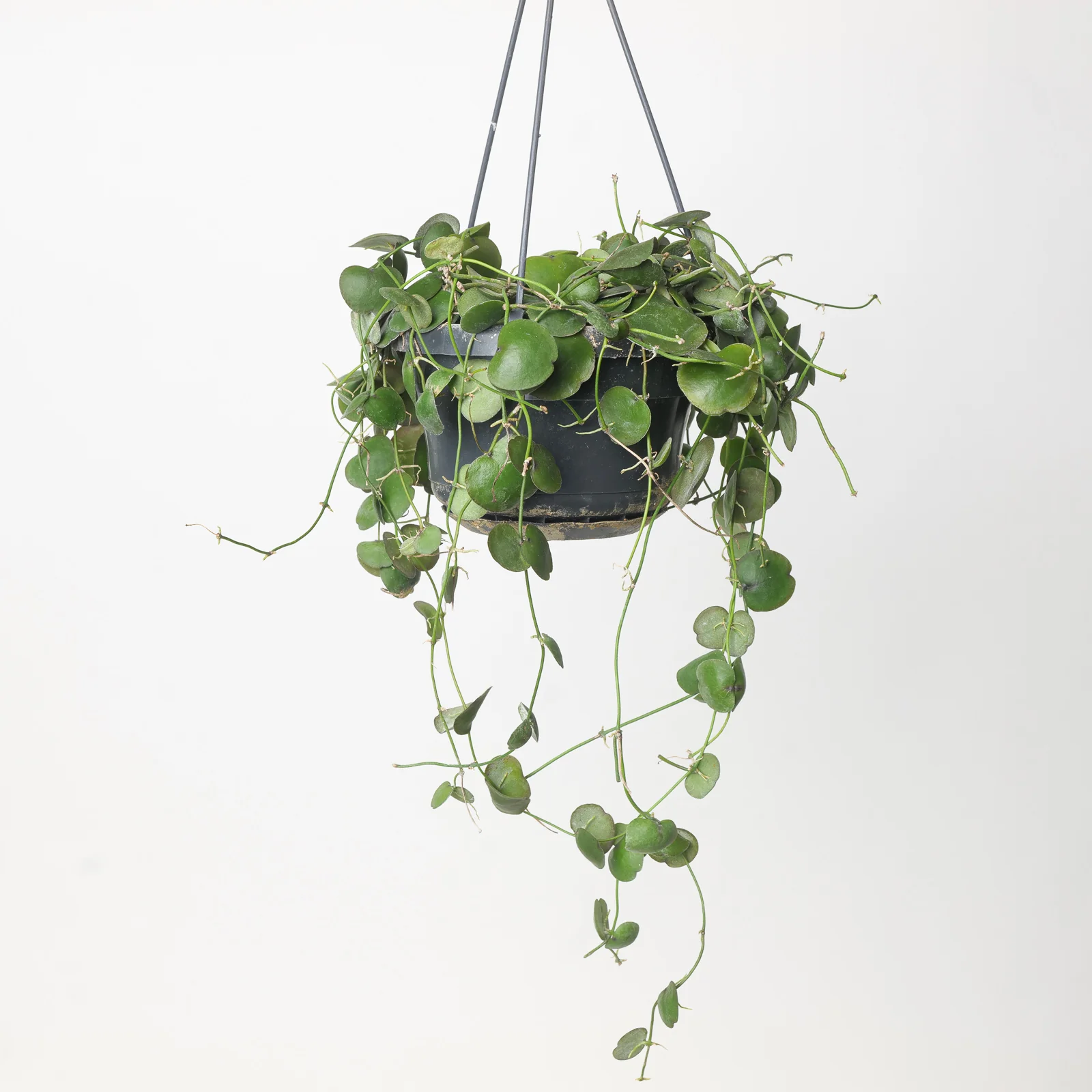
Dischidia pectenoides, commonly known as the ant plant, is an epiphytic vine characterised by its unique, pouch-like modified leaves. These specialised leaves serve as shelters for ants in their native environment, but in cultivation, they simply provide a fascinating structural feature. The plant produces small, rounded leaves along its trailing stems, with occasional clusters of white or pale yellow flowers. While slow-growing, it can develop long, cascading vines, making it suitable for hanging pots or mounted displays indoors.
As a low-maintenance plant that thrives in indirect light, Dischidia pectenoides adapts well to indoor conditions. It prefers warm, humid environments, which closely mimic its natural habitat, and is relatively drought-tolerant due to its ability to store water in its leaves. This combination of traits makes it an excellent plant for UK households looking to add something distinctive to their collection.
Native to
Dischidia pectenoides is native to tropical regions of Southeast Asia, particularly in the Philippines, Thailand, and Malaysia. It typically grows in forested areas, where it clings to trees and other surfaces as an epiphyte, relying on the surrounding humidity and occasional rainfall.
Water
This plant prefers to dry out slightly between waterings. It is sensitive to overwatering, so it is best to water it sparingly, allowing the substrate to dry out about halfway. A well-draining potting mix, such as a blend of orchid bark and peat, is ideal to prevent root rot.
Light
Bright, indirect light is best for Dischidia pectenoides. Direct sunlight should be avoided as it can scorch the leaves. However, low light conditions can also reduce its growth, so aim for a position near a window with filtered light or a well-lit room.
Humidity
High humidity levels are essential for this plant, ideally between 60-80%. If grown in conditions with less than 60% humidity, misting or a humidifier is recommended. Its preference for high humidity makes it a good candidate for terrariums, particularly if grown as a smaller specimen.
Temperature
Dischidia pectenoides thrives in warm temperatures, between 18-24°C. It should be protected from cold drafts or temperatures below 15°C, which can lead to slowed growth or leaf drop. This makes it well-suited for indoor growing, where consistent warmth can be maintained.
Product Information
Product Information
Shipping & Returns
Shipping & Returns
Description
Dischidia pectenoides, commonly known as the ant plant, is an epiphytic vine characterised by its unique, pouch-like modified leaves. These specialised leaves serve as shelters for ants in their native environment, but in cultivation, they simply provide a fascinating structural feature. The plant produces small, rounded leaves along its trailing stems, with occasional clusters of white or pale yellow flowers. While slow-growing, it can develop long, cascading vines, making it suitable for hanging pots or mounted displays indoors.
As a low-maintenance plant that thrives in indirect light, Dischidia pectenoides adapts well to indoor conditions. It prefers warm, humid environments, which closely mimic its natural habitat, and is relatively drought-tolerant due to its ability to store water in its leaves. This combination of traits makes it an excellent plant for UK households looking to add something distinctive to their collection.
Native to
Dischidia pectenoides is native to tropical regions of Southeast Asia, particularly in the Philippines, Thailand, and Malaysia. It typically grows in forested areas, where it clings to trees and other surfaces as an epiphyte, relying on the surrounding humidity and occasional rainfall.
Water
This plant prefers to dry out slightly between waterings. It is sensitive to overwatering, so it is best to water it sparingly, allowing the substrate to dry out about halfway. A well-draining potting mix, such as a blend of orchid bark and peat, is ideal to prevent root rot.
Light
Bright, indirect light is best for Dischidia pectenoides. Direct sunlight should be avoided as it can scorch the leaves. However, low light conditions can also reduce its growth, so aim for a position near a window with filtered light or a well-lit room.
Humidity
High humidity levels are essential for this plant, ideally between 60-80%. If grown in conditions with less than 60% humidity, misting or a humidifier is recommended. Its preference for high humidity makes it a good candidate for terrariums, particularly if grown as a smaller specimen.
Temperature
Dischidia pectenoides thrives in warm temperatures, between 18-24°C. It should be protected from cold drafts or temperatures below 15°C, which can lead to slowed growth or leaf drop. This makes it well-suited for indoor growing, where consistent warmth can be maintained.